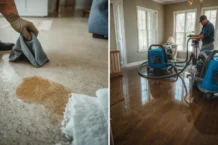
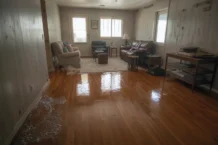
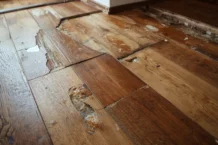
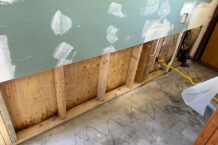
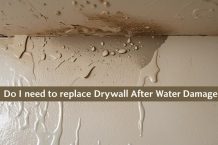
It comes down to three things: what the water touched, how long it sat, and how far it spread. A small clean water spill — like an overflowed sink or a short-lived appliance leak you caught within an hour or two — is usually fine to mop up and dry yourself with fans and a dehumidifier. But if the water came from a toilet, a sewer line, or a flooded street, if it sat for more than 24-48 hours, or if it soaked into carpet padding, drywall, or hardwood subflooring, it’s no longer a DIY job. At that point, you’re dealing with contamination risk, structural moisture you can’t see, or both, and it requires a professional water damage restoration company to assess and properly dry it.
The Industry Standard That Actually Draws the Line
This isn’t a judgment call restoration companies make up to sell more services — it follows a real industry standard. The Institute of Inspection, Cleaning and Restoration Certification (IICRC) publishes the S500 standard for professional water damage restoration, which divides water damage into two categories: Category, which describes how contaminated the water is, and Class, which describes how difficult it will be to dry.
Category 1, 2, and 3: How Dirty Is the Water?
- Category 1 (“clean water”) comes from a sanitary source — a broken supply line, an overflowing bathtub with no contaminants, or a malfunctioning ice maker line. At the moment of release, this water doesn’t pose a health risk.
- Category 2 (“gray water”) contains enough contamination that it can cause illness or discomfort if you touch or ingest it. This includes water from a washing machine overflow, a dishwasher discharge, or a toilet overflow with urine but no feces.
- Category 3 (“black water”) is grossly contaminated and can contain bacteria, viruses, or other harmful agents. This includes sewage backups, rising floodwater, storm surge, and — critically — any Category 1 or 2 water that’s been left sitting for more than about 48 hours, since standing water breeds bacteria and mold even if it started out clean.
That last point is the one most homeowners don’t realize: water doesn’t stay Category 1 just because it started that way. A clean leak from a broken pipe that runs for a week and soaks into your drywall and carpet can degrade into Category 2 or even Category 3 territory, simply from sitting around at room temperature, picking up contaminants from the building materials it’s touching.
Class 1 Through 4: How Hard Is It to Dry?
Separately, the S500 also classifies how much moisture has saturated the structure — from Class 1 (minimal absorption, part of one room) up through Class 4, “specialty drying situations” involving hardwood, plaster, brick, or concrete that hold moisture deep inside and release it slowly, requiring extended drying time and specialized equipment.
Here’s the part that surprises people: category and class are independent of each other. A perfectly clean Category 1 leak can still turn into a massive Class 3 or 4 drying project if it’s been running long enough or hit the wrong materials. That’s exactly why “the water looked clean” isn’t the same as “this is a simple cleanup.”
When It’s Genuinely Fine to Handle Yourself
You can usually manage cleanup on your own if all of the following are true:
- The water came from a clean, sanitary source (a supply line, a sink, a tub, rain that came through an open window).
- You caught it within an hour or two, before it had time to spread or soak in.
- It’s contained to hard flooring like tile or sealed concrete, not carpet, carpet pad, or hardwood.
- There’s no drywall, baseboard, or insulation that got wet.
- You can fully dry the area within 24 hours using fans, a dehumidifier, and good airflow.
In these situations, the standard steps are straightforward: shut off the water source, remove standing water with towels or a wet vac, run fans and a dehumidifier, and keep checking the area for a few days to make sure no hidden moisture or odor shows up later.
When You Need a Professional, No Exceptions
Some situations simply aren’t safe or practical to handle yourself, regardless of how confident you feel with a mop and a shop vac:
The water is contaminated. Sewage backups, toilet overflows involving feces, and floodwater are all Category 3 by definition. Cleaning crews handling Category 3 water wear full protective equipment — waterproof gloves, goggles, and respirators — for a reason. Porous materials that have been exposed to black water, including carpet, pad, and drywall, generally can’t be disinfected enough to be safe and must be removed and disposed of, not just cleaned.
It’s been sitting for more than a day or two. Once water has been standing for roughly 48 hours, mold and bacteria have had time to establish themselves, even from a clean source. The U.S. Environmental Protection Agency (EPA) notes that mold can begin growing on wet materials within 24 to 48 hours under the right conditions, which is part of why restoration professionals treat that window as a hard deadline rather than a suggestion.
Water got into carpet padding, drywall, or hardwood subflooring. These materials hold moisture deep inside and release it slowly. You might dry the visible surface in a day, while the layer underneath stays wet for a week, quietly growing mold the whole time. Professionals use moisture meters and thermal imaging specifically because you can’t tell this by looking or touching.
You don’t know where all the water went. Water travels along the path of least resistance — under flooring, behind baseboards, inside wall cavities. If you can’t account for every place it reached, you can’t be confident you’ve dried every place it needs to be dried.
There’s a lot of it, or it came from upstairs. Any loss that’s soaked through a ceiling, multiple rooms, or more than a small section of flooring is almost always a Class 3 or 4 situation that needs commercial-grade air movers and dehumidifiers running for several days, not a box fan from the garage.
Why San Diego County Homes Have Some Unique Wrinkles
A few local factors make the DIY-versus-professional line even more important here. Coastal humidity in places like La Jolla, Del Mar, and Pacific Beach means wet materials take longer to dry naturally than in a drier inland climate, stretching that 24-to-48-hour mold window further if you’re relying on open windows instead of real dehumidification. Older homes throughout El Cajon, Santee, and La Mesa often still have galvanized or early copper plumbing prone to slab leaks, which run hidden under the concrete for days or weeks before anyone notices — by the time you see a stain, you’re almost never looking at a simple, fresh, Category 1 situation.
San Diego’s flash-flood-prone canyon terrain adds its own wrinkle. Water from a flooded street, an overflowing storm drain, or rising water near a creek bed is floodwater — Category 3 by definition, regardless of how clear it looks. That’s true whether you’re near the San Diego River in Mission Valley or in a low-lying area like Southcrest. Treating that water like a simple mop-up job isn’t just a drying mistake; it’s a health risk.
What a Professional Inspection Actually Adds
A licensed restoration company doesn’t just towel up the visible puddle. A proper inspection includes moisture mapping with a meter to determine exactly how far the water traveled — often well past where it’s visible — combined with thermal imaging to spot temperature differences that indicate hidden moisture behind walls or under flooring. From there, they document the category and class of the loss, which matters for the drying plan and for your insurance claim, since adjusters expect the scope of work to match the documented classification.
Frequently Asked Questions
How do I know if water damage is Category 1, 2, or 3? Category 1 comes from a clean source, such as a supply line or a sink overflow. Category 2 involves moderate contamination, such as discharge from a washing machine or dishwasher. Category 3 includes sewage, toilet overflow with waste, and floodwater. If you’re unsure of the source, or if clean water has been sitting more than 48 hours, it’s safest to treat it as contaminated and call a professional.
Can I just rent equipment and dry my house out myself? For a small, contained, clean-water spill caught quickly, yes — fans and a rented dehumidifier can work. For anything involving carpet, drywall, hardwood, or water that’s traveled into wall cavities, consumer-grade equipment usually can’t generate enough airflow to fully dry the structure, leaving hidden moisture behind.
Is it ever safe to clean up sewage backup myself? No. Sewage is Category 3 black water and requires specialized protective equipment and professional disinfection. Standard household cleaners aren’t designed to neutralize sewage-borne pathogens, and bleach is often ineffective when it comes into contact with organic waste.
How long can water sit before it becomes a bigger problem? The general guideline used across the restoration industry is 24 to 48 hours. After that window, even originally clean water is at meaningful risk of developing mold and bacterial growth, and the loss may need to be treated as a higher category.
What happens if I dry the surface but the subfloor underneath stays wet? This is one of the most common and costly DIY mistakes. A floor or wall can look and feel dry on top while moisture remains trapped in the subfloor, padding, or wall cavity for days or weeks, eventually leading to mold, warping, or rot. Professional moisture meters are specifically designed to catch this.
Will my insurance company care whether I cleaned it up myself or called a professional? Often, yes. Insurance adjusters typically expect documentation that matches the actual category and class of the water loss. If a homeowner under-treats a contaminated loss or fails to properly document moisture levels, it can complicate or reduce a claim later, especially if mold develops afterward.
When in Doubt, Get an Inspection
If you’re staring at a wet spot trying to decide whether this is a “grab some towels” situation or a “call someone now” situation, the safest move is to get a professional opinion before you guess wrong. Gold Coast Flood Restorations has served homeowners throughout San Diego County for more than 35 years, with IICRC-certified technicians who can quickly tell you the category and class of your water loss and what it actually takes to dry it — whether that’s a quick confirmation that you’ve got it handled, or an emergency response before hidden moisture turns into a mold problem. The company is BBB-accredited, has an A+ rating, and is available 24/7 for situations that can’t wait.
If you’re not sure whether your water damage is a DIY job or needs a professional, call Gold Coast Flood Restorations now at (619) 449-9611 for a fast assessment.